Tuesday, 3 November 2009
Viral Diseases in Dogs
Now that we’ve looked at common viral diseases affecting animals, we may think that we’re safe, since we may not be farmers or people that live entirely off nature. But let’s touch on animals that are closer to our hearts, right in from our homes.
So you’ve met The One, not at the local bar, nor through a mutual friend, but on a pet farm.
You have fallen in love, bought him on your credit card and he has settled in happily with his new home. What next?
Well, you should arm yourself with some basic knowledge, because some puppies may already be infected with a virus from the pet farm, or may contract it along the way. Knowing some common ones will better prepare you on what to do once you spot the symptoms, as some of these can be fatal.
KENNEL COUGH
Dogs develop coughs too. Coughing in dogs is referred to as kennel cough and it can be a highly infectious disease. However, it is rarely serious when it strikes. Just the same, pet owners are advised to give their dogs the right amount of care and attention that they deserve whenever they are sick.
Kennel cough may give rise to a more serious health concern if not treated early on.
Kennel cough in dogs can be likened to a mild case of influenza in humans. Like influenza, the disease is also caused by a mixture of viruses and bacteria. It is a type of infection that affects the upper respiratory tract of dogs. Other household pets like cats, rabbits, and birds may develop a similar disease.
Coughs can be transferred across breeds and classes so be very careful with associating your pets when one of them is diagnosed with the disease.
More often than not, kennel cough is merely a symptom of another, much worse disease that your pet is suffering from. Kennel cough may be a result of underlying health concerns such as heart disease, periodontal disease, heartworm, parasites, throat growths, pneumonia, irritations, and allergies.
However, it is quite funny to note that some people think that kennel cough is a type of cough obtained by dogs if they live in a kennel. While dogs living in the same area may acquire the disease through association, a dog doesn't have to be inside a kennel to develop this particular type of disease.
Dogs suffering from kennel cough can be heard hacking persistently. It can be so bad at times that you might think that your dog will throw up everything it has eaten for its last meal. If you think that your dog is suffering from this disease, make sure that you take it to the veterinarian as soon as possible to keep it from suffering any longer.
Veterinarians may require inoculations or intranasal vaccines to be performed or given to your infected dog. There are also certain protective measures that you have to follow so that your dog's condition won't exacerbate. If your dog is very prone to developing kennel cough, you have to add a certain level of protection to your pet as you let it play in the park, walk it outside, or take it with you on your travels.
[Image from: http://www.basc.org.uk/filemanager/root/site_assets/howto/gundogs/administration-vaccine.jpg]
Kennel cough is considered a respiratory infection. In certain instances, antibiotics may be used as an aid to the problem. However, the choice of drugs is very crucial. Since the condition is caused by both bacteria and viruses, a double-acting antibiotic is required. Otherwise, you might to give your dog two types of oral medications, one to handle bacteria like penicillin and another to address the virus.
Treatment
There are both natural remedies and chemically prepared formulations available today to help provide relief to pets with kennel cough. However, prevention is still the best route to take. At the first signs of illness, take your dog to the veterinarian for proper diagnosis. By doing so, the symptoms of the disease will be handled accordingly and your dog will be healthier.
[Above info from: http://www.kennelcoughindogs.com/]
COMMON ANIMAL BORNE VIRUSES
Foot-and-mouth disease virus (FMDV) is the prototypic member of the Aphthovirus genus in the Picornaviridae family. This picornavirus is the etiological agent of an acute systemic vesicular disease that affects cattle worldwide. FMDV is a highly variable and transmissible virus. Soon after infection, the single stranded positive RNA that constitutes the viral genome is efficiently translated using a cap-independent mechanism driven by the internal ribosome entry site element (IRES). This process occurs concomitantly with the inhibition of cellular protein synthesis, caused by the expression of viral proteases. Processing of the viral polyprotein is achieved cotranslationally by viral encoded proteases, giving rise to the different mature viral proteins. Viral RNA as well as viral proteins interact with different components of the host cell, acting as key determinants of viral pathogenesis. In depth knowledge of the molecular basis of the viral cycle is needed to control viral pathogenesis and disease spreading.
[Image from: http://virology.wisc.edu/virusworld/images/fmdv-1qgc.jpc ]
Pestiviruses (in swine)
Pestiviruses account for important diseases in animals such as Classical swine fever (CSF) and Bovine viral diarrhea / Mucosal disease (BVD/MD). According to the current O.I.E. list CSF and BVD/MD are notifiable diseases and eradication programms are administered in many countries worldwide. The molecular biology of pestiviruses shares many similarities and peculiarities with the human hepaciviruses. Genome organisation and translation strategy are highly similar for the members of both genera. One hallmark of pestiviruses is their unique strategy to establish persistent infection during pregnancy. Persistent infection with pestiviruses often goes unnoticed; for BVDV frequently nonhomologous RNA recombination events lead to the appearance of genetically distinct viruses that are lethal to the host.
Arteriviruses (in horses)
In 1996, the family Arteriviridae was included within the order Nidovirales. Arteriviruses are small, enveloped, animal viruses with an icosahedral core containing a positive-sense RNA genome. The family includes equine arteritis virus (EAV), porcine reproductive and respiratory syndrome virus (PRRSV), lactate dehydrogenaseelevating virus (LDV) of mice and simian hemorrhagic fever virus (SHFV). Three of these viruses were first discovered and characterized a in 1964 (EAV-1953, LDV-1960 and SHFV), whereas PRRSV was first isolated in Europe and in North America in the early 1990s. The arteriviruses are highly species specific, but share many biological and molecular properties, including virion morphology, a unique set of structural proteins, genome organization and replication strategy, and the ability to establish prolonged or true persistent infection in their natural hosts. However, the epidemiology and pathogenesis of the infection caused by each virus is distinct, as are the diseases they cause.
Coronaviruses (in fowl, canines and felines)
Hendra and Nipah Virus (in swine and fruit bats)
Over the past decade, the previously unknown paramyxoviruses Hendra virus (HeV) and Nipah virus (NiV) have emerged in humans and livestock in Australia and Southeast Asia. Both viruses are contagious, highly virulent, and capable of infecting a number of mammalian species and causing potentially fatal disease. Due to the lack of a licensed vaccine or antiviral therapies, HeV and NiV are designated as biosafety level (BSL) 4 agents. The genomic structure of both viruses is that of a typical paramyxovirus. However, due to limited sequence homology and little immunological cross-reactivity with other paramyxoviruses, HeV and NiV have been classified into a new genus within the family Paramyxoviridae named Henipavirus. There is no treatment or vaccine available for either people or animals. Fruit bats of the Pteropodidae family are the natural host of Nipah virus.
Avian Influenza (in birds)

Wild aquatic birds are the natural hosts for a large variety of influenza A viruses. Occasionally viruses are transmitted from this reservoir to other species and may then cause devastating outbreaks in domestic poultry or give rise to human influenza pandemics. Proteolytic activation of the hemagglutinin is an important determinant for pathogenicity and adaptation of the receptor binding specificity of the hemagglutinin and adaptation of the polymerase to new hosts play important roles in interspecies transmission.
[Image from: http://farm1.static.flickr.com/25/61309174_35c7397efc.jpg ]
[Above info from: http://www.horizonpress.com/gateway/animal-viruses.html]
ANTIVIRAL DRUGS
Drugs that target viral processes must penetrate host cells; in doing so, they are likely to negatively impact normal pathways of the host. Antiviral drugs are characterized by a narrow therapeutic margin. Therapy is further complicated by viral latency, ie, the ability of the virus to incorporate its genome in the host genome, with clinical infection becoming evident without re-exposure to the organism. In vitro susceptibility testing must depend on cell cultures, which are expensive. More importantly, in vitro inhibitory tests do not necessarily correlate with therapeutic efficacy of antiviral drugs. Part of the discrepancy between in vitro and in vivo testing occurs because some drugs require activation (metabolism) to be effective.
Only a few agents have been found to be reasonably safe and effective against a limited number of viral diseases, and most of these have been developed in humans. Few have been studied in animals, and widespread clinical use of antiviral drugs is not common in veterinary medicine. Only a selection of the more promising agents and their purported attributes are briefly discussed.
Most antiviral drugs interfere with viral nucleic acid synthesis or regulation. Such drugs generally are nucleic acid analogs that interfere with RNA and DNA production. Other mechanisms of action include interference with viral cell binding or interruption of virus uncoating. Some viruses contain unique metabolic pathways that serve as a target of drug therapy. Drugs that simply inhibit single steps in the viral replication cycle are virustatic and only temporarily halt viral replication. Thus, optimal activity of some drugs depends on an adequate host immune response. Some antiviral drugs may enhance the immune system of the host.
Several drug classes continue to be investigated mainly because of their in vitro antiviral activities. Their potential clinical usefulness remains obscure in most instances. Included among these agents are thiosemicarbazones, guanidine, benzimidazoles, arildone, phosphonoacetic acid, rifamycins and other antibiotics, and several natural products.
[Above info from: http://www.horizonpress.com/gateway/animal-viruses.html]
Monday, 2 November 2009
How To Protect Your Children From Influenza?
When a man is diseased with influenza virus, almost all body systems are damaged including immune system, that is why recovered children feel weak and vulnerable to different viruses and bacterial infections. In order to lower disease incidence it is recommended to vaccinate not only children but also their parents.
In children from 6 months to 2 years with influenza virus, there is a high probability of complications influencing on cardiovascular and even nervous systems. According to research data, 40% of children of that age have complications with otitis, which often leads to deafness. New-born children diseases with influenza virus are subjected to complications.
The effectiveness and safety of vaccine
Vaccination practically has no contraindications but when choosing a vaccine you should consult your doctor. The effectiveness of vaccination in children is 70-100%. In children up to 6 months vaccination is less effective because of freshness of their immune system, so it is recommended to vaccinate pregnant women in second or third Trimester.
How to make a vaccine?
In order to get vaccinated you should go in one of vaccinating centers, or you can buy vaccine and use it by yourself.
Preventions of Dengue virus
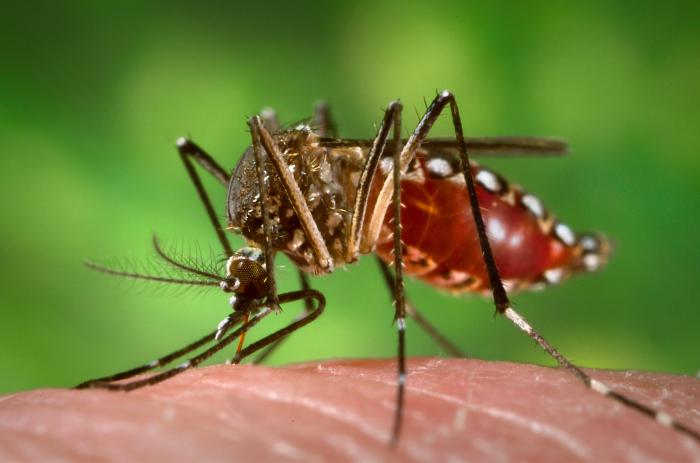
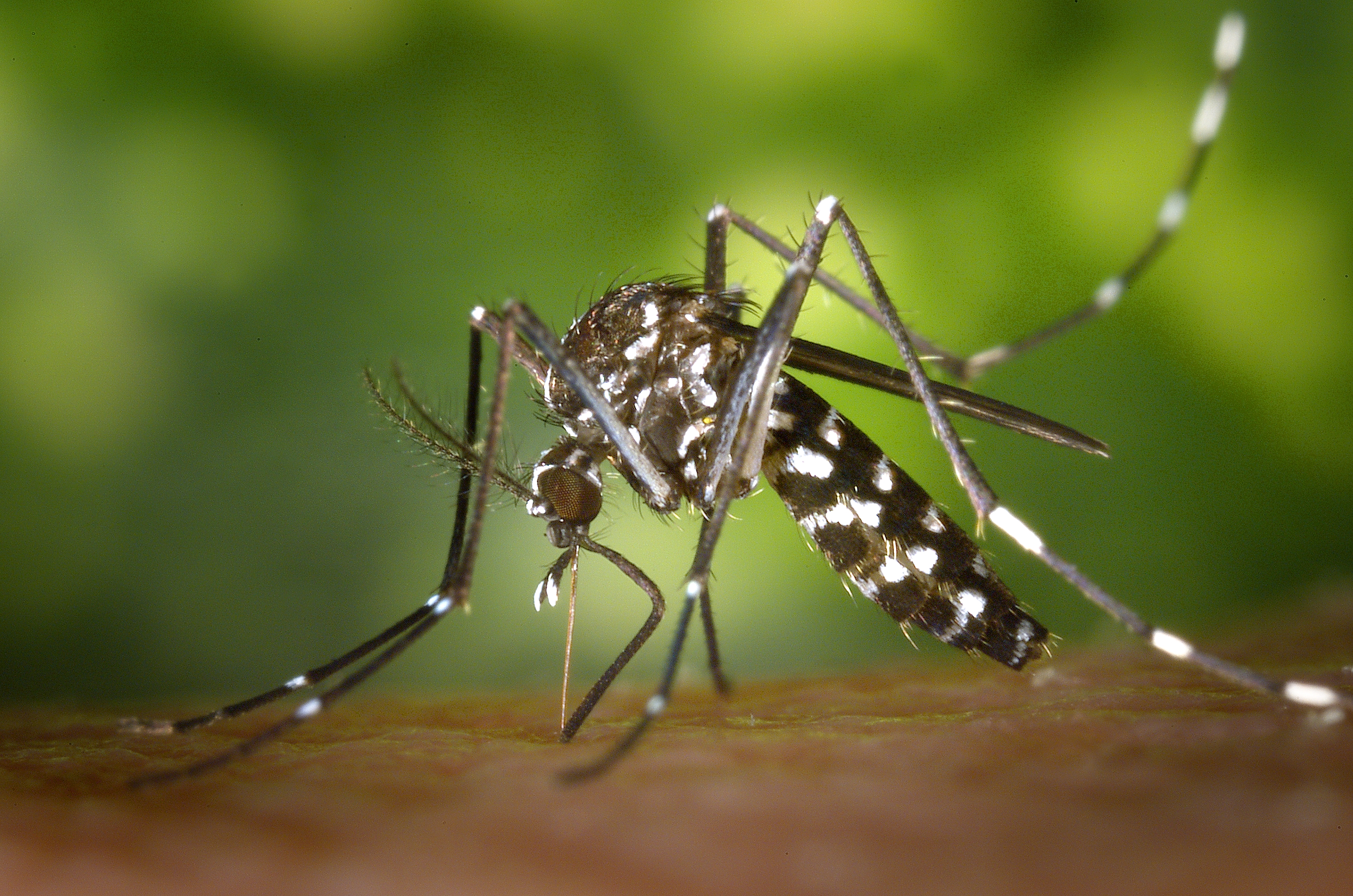
The best way to reduce mosquitoes is to eliminate the places where the mosquito lays her eggs, like artificial containers that hold water in and around the home. Outdoors, clean water containers like pet and animal watering containers, flower planter dishes or cover water storage barrels. Look for standing water indoors such as in vases with fresh flowers and clean at least once a week.
The adult mosquitoes like to bite inside as well as around homes, during the day and at night when the lights are on. To protect yourself, use repellent on your skin while indoors or out. When possible, wear long sleeves and pants for additional protection. Also, make sure window and door screens are secure and without holes. If available, use air-conditioning.
If someone in your house is ill with dengue, take extra precautions to prevent mosquitoes from biting the patient and going on to bite others in the household. Sleep under a mosquito bed net, eliminate mosquitoes you find indoors and wear repellent.
[Link: http://www.cdc.gov/Dengue/prevention/index.html]
Symptoms of Dengue Virus
a) Severe headache
b) Severe eye pain (behind eyes)
c) Joint pain
d) Muscle and/or bone pain
e) Rash
f) Mild bleeding manifestation (e.g., nose or gum bleed, petechiae, or easy bruising)
g) Low white cell count
For younger children and those with their first dengue infection will have a milder illness than older children and adults.
Warning signs as temperature declines 3 to 7 days after symptoms appear:
a) Severe abdominal pain or persistent vomiting
b) Red spots or patches on the skin
c) Bleeding from nose or gums
d) Vomiting blood
e) Black, tarry stools (feces, excrement)
f) Drowsiness or irritability
g) Pale, cold, or clammy skin
h) Difficulty breathing
Go IMMEDIATELY to an emergency room or the closest health care provider
Dengue Hemorrhagic Fever
Dengue hemorrhagic fever (DHF) is characterized by a fever that lasts from 2 to 7 days, with general signs and symptoms consistent with dengue fever. When the fever declines, warning signs may develop. This marks the beginning of a 24 to 48 hour period when the smallest blood vessels become excessively permeable, allowing the fluid component to escape from the blood vessels into the peritoneum and pleural cavity. This may lead to failure of the circulatory system and shock, and possibly death without prompt, appropriate treatment. In addition, the patient with DHF has a low platelet count and hemorrhagic manifestations, tendency to bruise easily or have other types of skin hemorrhages, bleeding nose or gums, and possibly internal bleeding.
[Link: http://www.cdc.gov/Dengue/symptoms/index.html ]
Dengue Virus Vector
[Link: http://www.cdc.gov/dengue/entomologyEcology/index.html]
[Link: http://www.cdc.gov/Dengue/entomologyEcology/m_lifecycle.html]